Storage Industry Humidity Control Solution: Dehumidifier&Ventilation System
- Key Points
- Core Advantages
- Operational Principles
- Industry Applications
- System Synergy
- Selection Criteria
- Maintenance Protocols
- Conclusion
(1).png)
(1).png)
Key Points
- We understand that industrial dehumidifiers are necessary to shield equipment, inventory, and facilities from moisture-induced harm, safeguarding your assets for years to come.
- Controlling humidity means stable processes, less downtime, and higher quality products in a wide range of industries.
- We know that intelligent dehumidification technology creates healthier workplaces by reducing allergens, mold, and respiratory hazards.
- We strongly suggest you choose energy-efficient dehumidifying systems to lower costs and help sustainability efforts in accordance with world environmental standards.
- We recommend combining dehumidifiers with your current HVAC and ventilation systems for a balanced climate, improved air quality, and peak facility performance.
- Well worth taking the time to consider capacity, performance, durability and maintenance when choosing dehumidifiers.
Simply put, an industrial dehumidifier is a device designed to extract excess moisture from the air in large locations such as warehouses, factories, or agricultural settings. We utilize these machines to maintain dry air and protect items, equipment, and employees. Excess air moisture leads to mold, rust, or other types of damage to many products. We construct and market dehumidifiers that operate in a variety of applications, including those for food storage, greenhouses, or laboratories. We pair powerful fans, smart controllers, and simple maintenance so our units operate with minimal fuss. Many industries choose our units to assist them in cost-cutting and safety. In the following sections, we explain primary applications, key characteristics, and how to choose the ideal model for your requirements.
Core Advantages
Industrial dehumidifiers play a core advantage in maintaining a balanced, safe, and economical work environment. Reducing unnecessary moisture, they assist corporations in safeguarding resources, enhancing operational outcomes, and reducing power consumption, all environmentally friendly. We’re about providing clients with solutions that perform, endure, and satisfy the world’s demand for smart, energy-efficient rooms.
1. Asset Integrity
We protect tender equipment from corroding or breaking down by maintaining optimal humidity levels. This prevents machinery and electronics from failing prematurely, which is essential in industrial plants, data centers, or warehouses. Our dehumidifiers can extract up to 300 gallons of moisture every day, lowering dew points to under 10°C (50 ° F). It protects not only equipment but inventory and raw materials, such as paper, textiles, or chemicals, against mold or decay.
.JPG)
We extend the life of files and other business documents. By keeping humidity in check, that means less risk of water stains, warped papers, or lost data. In turn, this helps maintain the intrinsic value of all assets at a high level, since things function better and appear good for longer.
2. Process Stability
Stable air equals stable work. Our dehumidifiers maintain that very same air moisture every day, regardless of the weather. By providing constant air, they prevent swings that can damage product quality. If you manufacture food, drugs, or electronics, this is a necessity.
When machines run in the right air, they last longer and break less. Less fix-up stops keep work flowing and clients can have confidence their orders are on time. Our units perform effectively even in difficult locations, ranging from -23° to 35°C (-10° to 95° F) and can circulate air quickly to dry areas or prevent tools from slipping or jamming.
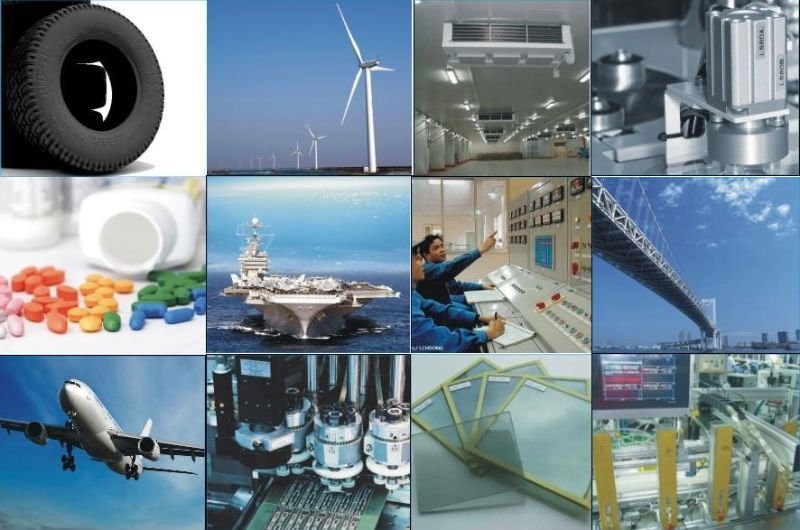
3. Healthier Workspace
We understand that a dry workspace translates to fewer bugs, mold, and fresher air. Featuring high airflow and rapid drying, our dehumidifiers reduce dust and spores that damage workers’ lungs. It’s all about making employees feel good and being more productive.
Cleaner air leads to fewer sick days and a lower risk of allergies. When folks feel secure on the job, spirits rise and attrition falls.
4. Energy Efficiency
We drive energy savings with heat pump and inverter lines in our dehumidifiers. These reduce the electricity bill, conserve resources, and comply with global eco regulations. Smart controls adjust power to suit real-time air humidity, so there is no waste.
With up to 50 liters sucked out daily and less energy consumed, our technologies provide sustainable savings. Opting for these models keeps companies green and reduces expenses.
5. Structural Protection
We prevent rot and decay in building components by maintaining dry air. This reduces repair costs, maintains slab and wall integrity, and extends building life. Less water in the air means less money you’ll spend on repairs from mold or rust.
Solid humidity management makes newer and older homes more secure. Clients enjoy the peace of mind of knowing their space is safeguarded.
Operational Principles
Industrial dehumidifiers operate by extracting water from the air, assisting us in managing humidity in expansive areas. They allow us to maintain accurate humidity levels, even with dew points below -60°C. Two main types exist: refrigerant and desiccant dehumidifiers. Each has its own strengths and works better in different situations. Selecting the appropriate style is important not only for efficiency but for energy consumption. Any solution should do minimal damage to nature, employing technology that’s green and efficient.
Refrigerant Systems
Refrigerant dehumidifiers cool air to below its dew point. Warm, moist air sweeps across freezing coils, water condenses and drains into a collecting reservoir or out the drain. It’s a trusted workflow for drying significant volumes of wetness in areas with air temperatures above 15°C.
They thrive in hot climates, including factories, warehouses, and assembly lines. For instance, textile mills use them to prevent mold and preserve quality. In cold areas, such as winter storage or unheated warehouses, they become inefficient.
Maintenance of refrigerant units is critical. We plan checks to keep coils clean and refrigerant at the optimal level. A bad suction robs more watts and won’t extract as much water.
With better compressors and newer refrigerants, new units consume less energy. They deliver high moisture removal rates per CFM and aid in reduced operating costs. This is what makes them so brilliant when deployed in just the right climate.
Desiccant Systems
Desiccant dehumidifiers leverage unique compounds to absorb moisture. Air goes through a desiccant wheel, which catches water. The wheel requires a second air stream warmed by a heater to dry it out and sustain the process.
These systems excel in cool or low humidity areas that refrigerant based options cannot. For instance, they are used in food or pharmaceutical plants to ensure low humidity and product safety.
Desiccant dehumidifiers are adaptable. They process broad temperature scopes and most incorporate green desiccants. This assists us in achieving our objective of minimizing environmental impact while managing air humidity.
Desiccant systems back stringent facility requirements. Properly maintained and configured, they keep spaces dry, safe, and energy consumption low.
Industry Applications
Industrial dehumidifiers are crucial across a wide variety of industries, addressing specialized humidity issues for storage, manufacturing, food processing, and pharmaceutical applications. We keep our mission intact by making sure our products are energy efficient and eco-friendly. Every industry has unique challenges, so we take a specialized approach to build just the right solution for every requirement.
Storage Facilities
Storage humidity is crucial for safeguarding merchandise. If moisture ascends, inventory can rot, mildew, or devalue. Dehumidifiers prevent mold and moisture damage in warehouses and storage units by keeping air dry. Every warehouse holds something different, so we customize dehumidification for temperature, airflow, and volume requirements. Thanks to consistent humidity, goods keep longer and are market-ready longer, minimizing loss and waste.
Manufacturing Plants
In manufacturing, stable humidity is key for quality and compliance. Excess humidity can lead to imperfections in electronics, fabrics, or metals. With humidity held constant, our dehumidifiers help meet rigid industry specifications and decrease scrap. It can make machines rust or short out, so our systems reduce breakdowns and repair expenses. Integrating dehumidifiers into the production process keeps things moving and energy bills down.
Food Processing
Food processing requires precise humidity control to maintain product integrity and freshness. If moisture is too high, food can spoil, lose texture, or even become unsafe. Dehumidifiers reduce this risk, aid in extending shelf life, and maintain optimal conditions for shipping. Food plants must adhere to health regulations, so we provide systems that assist in achieving GMP and FDA compliance. Desiccant models are frequently selected here, as they are able to achieve dew points below 50 °F, preventing bacteria growth and spoilage.
Pharmaceutical Labs
In pharmaceutical labs, accurate humidity is a must. Pharmaceuticals and compound libraries require still air to preserve their characteristics and successfully clear regulatory inspections. Our dehumidifiers prevent contamination, regulate air quality, and comply with rigorous industry regulations. Sensitive drugs and reagents linger longer in tamed air, as air cleaners reduce mold spores and VOCs. Investing in cutting-edge systems means your lab stays safe and compliant for the long haul.
System Synergy
System synergy is when your systems collaborate and create more than when working solo. In humidity control, this occurs when dehumidifiers, ventilation, and HVAC units are not merely next to each other, but really connected. We emphasize this as it results in cleaner air, a more stable climate, and less energy loss. A systems-based approach allows us to optimize air flow, temperature, and moisture simultaneously, enabling companies to reduce their costs and impact on the environment. This only works if facility managers and HVAC experts communicate and coordinate from the beginning. Together, we’ll establish intelligent control and monitoring which adapt automatically, ensuring our solutions are efficient and sustainable. It’s not simple. It requires time, explicit design, and frank input. The reward is a system that functions more efficiently and endures with less damage to the environment.
Ventilation Integration
System synergy goes a long way. Ventilation is an excellent way to assist dehumidifiers by exchanging damp air for fresh, dry air. This prevents air from becoming stagnant and maintains humidity. We combine airflow and moisture, balancing them to create a healthy and safe environment for people and products. If we allow air to move too quickly or too sluggishly, it can negate our dehumidifier efforts.
A good system balances the ventilation rate to the space's requirement. Take, for example, a greenhouse: too much airflow dries out plants, and too little creates mold. We engineer our systems to accommodate these requirements, ensuring air and moisture transfer at an appropriate rate. This helps reduce wasted energy and saves money.
Ventilation and dehumidification must be tuned in tandem. One system is fighting the other. We utilize intelligent sensors and controls to monitor air quality and adjust settings immediately. In this way, our systems consume less power and have longer lifetimes. When we architect for both systems from the beginning, we sidestep issues later and make the entire configuration more manageable.
HVAC Harmony
Dehumidifiers and HVAC units, when used in tandem, maintain a consistent indoor climate. This prevents issues such as mold, product spoilage, or rust on equipment. It requires mindful configuration so the systems support not sabotage each other.
Seamless controls are essential. For example, a smart thermostat can direct both the air conditioner and the dehumidifier on how to operate for the current needs of the space. This can reduce energy consumption and maintain a low cost. If we put in non-coordinated dehumidifiers, it can cause HVAC equipment to break down or produce inconsistent results.
We never add new equipment without first looking at what systems are already in place. That keeps everything humming along with less interruptions and greater efficiency for everyone.
Selection Criteria
Choosing an industrial dehumidifier involves balancing a variety of considerations specific to your use case. Our philosophy is to tailor the system to our clients’ environment, moisture challenge and sustainability objectives. Each industry confronts unique humidity challenges, so the appropriate selection has to manage not only the moisture burden but also power consumption, durability, and a low environmental footprint.
Capacity Sizing
Sizing is one of the biggest considerations. Every dehumidifier is rated by how many liters or pints of water it can extract in 24 hours, and this needs to correspond to the true moisture burden of the space. If it is undersized, it will run nonstop, consume more energy, and still never achieve the target humidity. Big units will go off and on too frequently, increasing wear and service expenses. To size correctly, we consider things like room volume, number of doors and windows, frequency of opening, and even dew point temperature, particularly if you have a process that requires a dew point less than 4C. For instance, food processing plants typically require less humidity than warehouses. We use calculation tools and collaborate with HVAC specialists to identify the optimal match, as a straightforward equation seldom suffices for intricate industrial use cases.
Performance Metrics
Assessing performance starts with key metrics: humidity level control, energy use, and the rate of moisture removal. Monitoring these allows us to avoid mold, mildew, corrosion, and rust, usually by keeping relative humidity near 50%. Reviewing these numbers regularly helps us ensure the system’s working efficiently and gives us data to show the return on investment. We compare refrigerant and desiccant models since each has different strengths. Desiccant types work better at lower temperatures, for example.
Durability
Industry requires hardware. Dehumidifiers should be built with durable materials that can withstand the elements, minimizing maintenance and repairs. Models with robust warranties and certifications provide extra reassurance and demonstrate the manufacturer’s faith in their product. We’ve always sought out systems that provide long-term reliability and low maintenance, saving time and money.
Maintenance Protocols
Routine maintenance is central to ensuring any industrial dehumidifier performs optimally. We’ve learned from experience that a solid maintenance schedule reduces breakdowns, saves energy, and extends the life of the unit. This is important for large endeavors where minor malfunctions can wreak havoc on the entire effort. Good maintenance means we consume less energy and waste less, which is crucial to our company’s mission to respect nature and reduce our footprint as much as possible.
Primary tasks in a maintenance schedule begin with filter cleaning or replacement. Dirty filters impede airflow and cause the compressor to work harder. We monitor our filters regularly and scrub them the moment we notice dust accumulation. In very dusty or particle-heavy sites, this may need to be done weekly. Next, we check and clean the coils. Dirty coils reduce cooling potency and make the unit operate with higher energy consumption. We always dry them after washing before replacing the cover. We inspect the drain hoses to maintain water flow and prevent leaks. Clogged hoses can lead to water accumulating and potentially harming the machine or surrounding vicinity.
Beyond these essential activities, we fit in daily inspections such as checking water levels in the tank and cleaning the exterior of the machine. Once a quarter, we conduct a more thorough inspection of the cooling coils and check hoses for any kinks. Twice a year, we inspect the power cords for cracks or wear and replace anything that is not looking too good. Once annually, a trained technician inspects the compressor and refrigerant system for leaks or issues. These checks help us catch issues before they translate into costly repairs or downtime.
We always develop our maintenance schedule from how long the dehumidifier runs and the quality of air it processes. Devices in hard locations require more attention. We follow manufacturer guidelines and we incorporate our own measures if we notice a requirement. Neglect these and the machine operates less efficiently and consumes more energy.
Conclusion
We provide powerful air management for a variety of environments. We understand the importance of consistent, dry air in job sites, barns, and warehouses. We design every unit for real world application, not just for flash. To us, our dehumidifiers run strong and stand up to hard work. We take simple steps for care and provide quick assistance if you require it. We encounter usual suspects, such as moisture damaged stock or mildew, and provide straightforward solutions. Many customers contain dry inventory, secure machines, and clean air within massive outlets or greenhouses. To select the appropriate unit or obtain additional advice, contact us. We’re proud of what we build and support you in doing air right, year after year.


评论
发表评论