No dehumidifier in Cold storage, no good effect inside

What is the main reason to use a dehumidifier in cold storage?
What are the benefits of controlling humidity in cold storage?
How do we determine the right dehumidifier size for our cold storage?
Are there operational risks if we ignore humidity in cold storage?
What is the return on investment (ROI) for cold storage dehumidifiers?
Key Points
We need to tackle high humidity in cold storage before it spoils products, drives safety hazards, and wastes unneeded energy, all of which can harm our bottom line.
Desiccant technology, when it comes to cold storage dehumidifier, is an effective way to combat moisture build-up that commonly occurs with standard refrigeration.
Strategic planning, right-sizing, and placement of dehumidifiers are crucial to optimize performance and accommodate evolving storage requirements.
By controlling the right amount of humidity, we keep your product safe, increase shelf life, and provide a healthier atmosphere for both your staff and customers.
By investing in cutting-edge dehumidification systems, you’re not just cutting your direct operational costs, you’re gaining all those indirect benefits like a better brand image, more loyal customers, and more.
Let’s make the bold steps to modernize our humidity control strategies for enduring value, compliance, and business expansion in worldwide cold storage operations.
A cold storage dehumidifier is designed to maintain dry, safe air in cold rooms, minimizing mold, frost, and product spoilage. We leverage our 14 years of expertise to select dehumidifiers that excel in low temperatures and reduce your energy bill. For owners, agents, or contractors, the right unit equals fresh stock and fewer headaches. In the following section, we discuss how to select the right one for you.
The Humidity Problem
Humidity is the most underrated thing about cold storage, and it defines the safety, efficiency, and sustainability of our business. Left unattended, this results in spoilage, frost, wasted energy, safety hazards, and even structural damage to the building. Each presents a quantifiable effect on food safety, expenses, and employee welfare. As the need for sustainability grows, we need to reduce our environmental impact by selecting solutions that conserve energy and preserve resources.
1. Product Spoilage
If we don’t control humidity, perishables decompose more quickly. Mold’s potential to develop and transfer on fruits or packaged goods within the confines of a refrigerator reduces their shelf life. Humidity seeps into packaging, contaminating and potentially spoiling the food. Food waste dents margins and erodes faith among our collaborators. Most products need different humidity. Apples and leafy greens need 85 to 95 percent relative humidity to stay crisp, while frozen goods need only 30 to 50 percent relative humidity to avoid frost and freezer burn.


2. Frost Buildup
Frost obstructs the airflow and it becomes difficult to maintain an even temperature. Ice builds up on evaporator coils, causing us to shut down for defrost cycles and squandering time and dollars. When frost accumulates on packages or shelving, it damages sensitive products. Regular ice removal makes work tougher for our crews and increases labor expenses.
3. Energy Waste
When the humidity is too high, cooling units need to work harder and consume more energy. Excess moisture leads to more defrosts, which spike energy bills. Bad control may keep us from reaching our sustainability goals. Good dehumidifiers reduce this loss, assist us in conserving energy, and maintain budgets.
4. Safety Hazards
Wet floors due to condensation cause slipping hazards, resulting in injuries. A bout of humidity leads to mold spores from damp air that affect workers' health. Excess moisture breaks down walls and ceilings, inflating repair expenses. Safety incidents increase the risk of legal claims and cause business interruptions.
5. Structural Damage
It makes metal parts rust and it rots insulation and concrete. Over time, repairs accumulate and downtime proliferates. Maintaining humidity in the proper range safeguards our investment and prevents significant losses from shutdown or damaged inventory.

The Desiccant Solution
Desiccant dehumidifiers provide us a big advantage in maintaining dry cold storage. These units utilize unique components to absorb moisture from the ambient air, assisting us in maintaining a dry environment in those difficult to reach areas where conventional ventilation systems are ineffective. This solution is particularly effective for cold storage and other locations where the temperature regularly falls below 10°C. With desiccant, we provide our customers a dependable, energy-efficient solution to prevent ice, frost, mold, and other headaches before they even begin.
How It Works
Desiccant dehumidifiers utilize a desiccant material, such as silica gel. This gel contains micropores that capture and retain moisture from the atmosphere. It’s fast but consistent, so humidity remains low in chilled spaces where other units falter. To keep going, the desiccant is heated in bursts, drying it out so it can continue extracting water from the atmosphere. This regeneration step ensures that the system operates nearly non-stop.
Silica gel is one of the best candidates for this task. It sucks out a ton of water and can reduce humidity down to 1%. We can insert these machines directly into existing cold storage facilities. No major alterations to your room are required.
These things cater to a lot of necessities. Some consume as low as 360 watts per hour, while larger ones consume up to 3,500 watts. From a small walk-in cooler to a big warehouse, there is a size that fits. The control is fine and can maintain dry air for extended periods.
.jpg)
Why Not Refrigeration?
Refrigeration alone cannot always solve moisture problems in cold storage. These systems do great at cooling, but they’re notorious for letting moisture hang around, specifically when it’s chilly outside. That additional moisture contributes to frost, ice on coils, and fog, which all negatively impact how your space functions.
Desiccant dehumidifiers consume less power in many cases, particularly in cooler locations. They can operate with less downtime and require less maintenance. This translates into less downtime and repair bills for you.
Unlike refrigeration, desiccant systems are flexible. They can be adjusted to strike specific humidity goals, which safeguards cargo and reduces decay. These machines assist in mold control and keep air clean in numerous industrial and storage applications.
Strategic Implementation
Strategic implementation in cold storage dehumidification refers to executing our blueprints for reducing surplus humidity, protecting product integrity, and minimizing energy consumption. We understand that all our actions must be consistent with our vision – ecological, energy-efficient solutions that are not detrimental to the environment. Thoughtful execution keeps risks minimal and results optimal, even in the most high-stakes repositories.
A clear plan needs teamwork. We work with facility managers and dehumidifier experts to match each cold storage site’s needs. We always start by checking current conditions. This means looking at leaks, insulation, existing airflow, and equipment health, such as checking door gaskets and seams. Only after this do we choose the right dehumidification method, often using reliable desiccant systems for tough, cold environments. Regular checks and maintenance keep the whole system tight and running well.

Strategic Planning Steps:
Determine humidity goals based on what we store.
Assess the facility’s current state: air leaks, insulation and existing systems.
Determine the moisture load and select dehumidifiers accordingly.
Allocate resources, define roles and timelines for implementation.
Put in the equipment, keep an eye on the outcome, and tweak as necessary.
Sizing
Right sizing is important. Strategic implementation involves sizing dehumidifiers by first calculating the room’s cubic meters and checking real-time humidity. This informs us of the actual moisture load, which prevents us from either under-sizing or over-sizing, both of which are resource-wasters.
Storage volume (in m³)
Product type and moisture output
Outside humidity and temperature
Number of door openings per day
We always recommend using the sizing charts and tables. They assist our partners in selecting the optimal fit.
Placement
Right location extracts maximum from every dehumidifier. Where we place units is important because airflow patterns influence the distribution of dry air.
Units must never be obstructed by racks, pallets, or walls. Proper placement ensures more consistent drying and less chance of mold or rot. It’s clever to check placement frequently as storage configurations shift with each season or batch.
Airflow
Airflow makes or breaks humidity control. We strategically implement air movement to touch every corner, with no dead zones.
Fans and intelligent venting increase extraction rates. With airflow done right, everything runs cooler, from your systems to your energy bill to your storage stability. We continue to tune airflow as merchandise and storage requirements change.
Operational Benefits
Cold storage facilities encounter rigorous requirements for protecting products in a secure, fresh, and undamaged state. Dehumidifiers for these spaces provide a method to regulate humidity, which is crucial for both the atmosphere and operations. Eco-friendly, energy-efficient products are a necessity. The operational benefits of our solution are cost reductive, goods protective, and employee safe, all while supporting the earth.
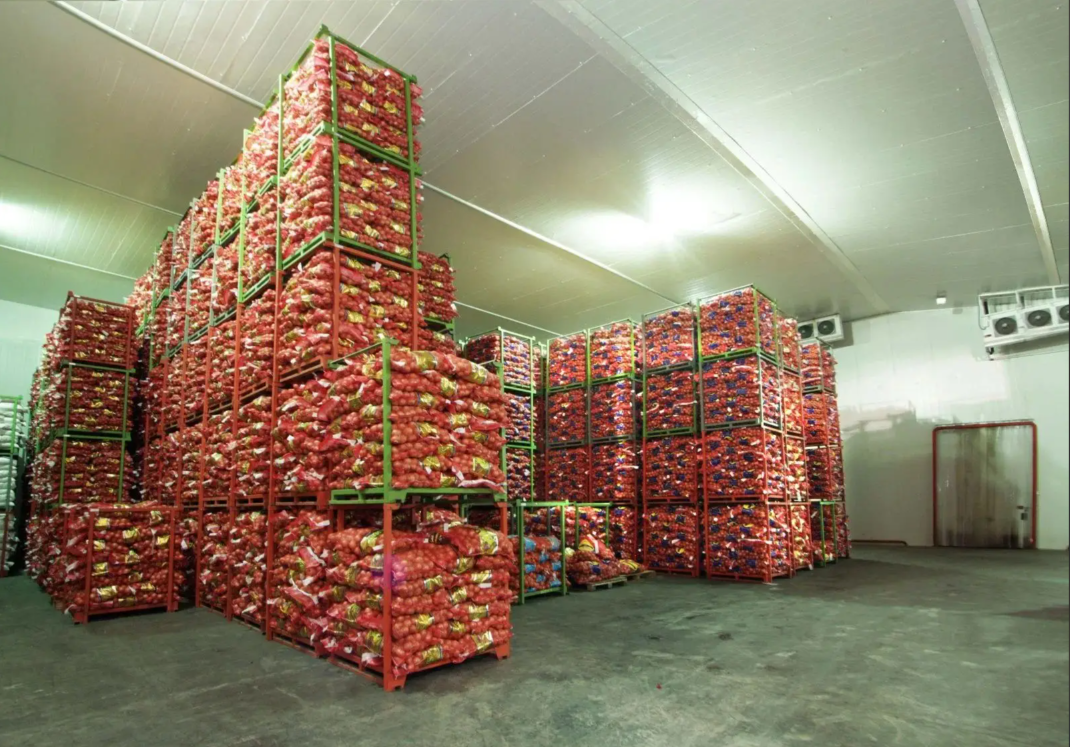
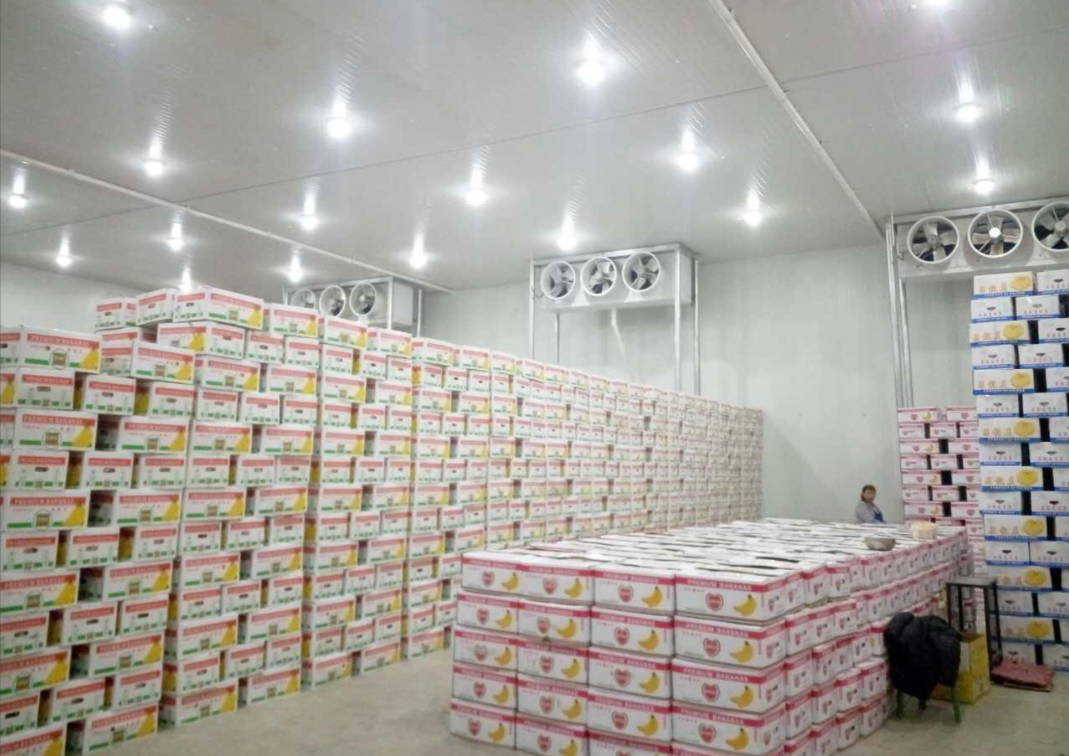
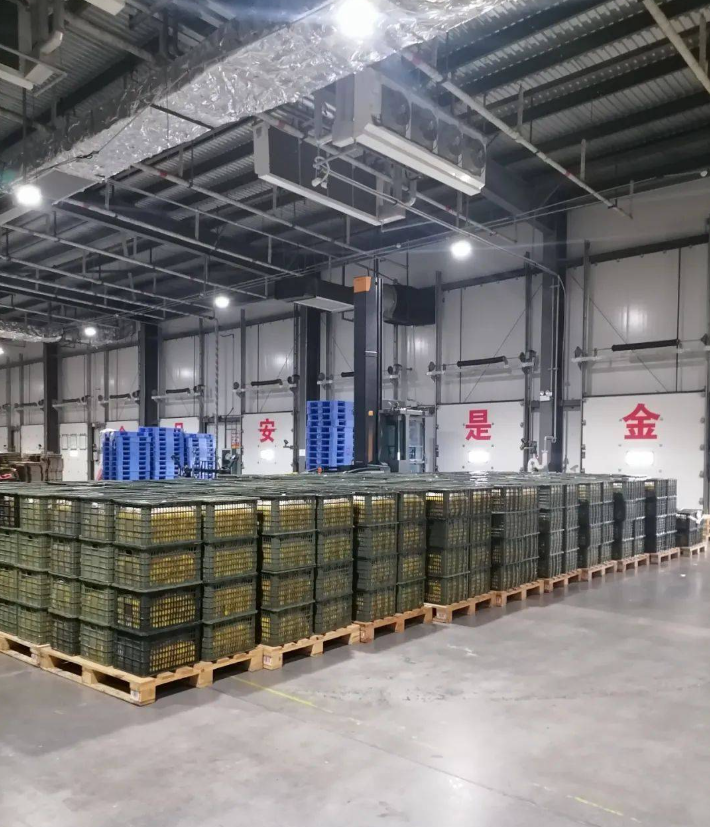
Key operational benefits of dehumidification in cold storage:
Reduces energy use by up to 30%
Prevents frost buildup on coils, lessening defrost cycles
Cuts product loss to below 2%
Lowers risk of slips and falls from wet floors
Improves product quality for perishables and pharmaceuticals
Decreases equipment corrosion and related maintenance costs
Minimizes manual cleaning and boosts productivity
Quality
Maintaining the correct humidity level ensures products remain in optimal condition and are fresh for extended periods. From our experience, cold storage dehumidifiers assist in avoiding spoilage, particularly for food and medicine. They prevent moisture that can harm packaging and contents. This is critical for products such as fresh fruit, milk, and vaccines. Damp-free operation preserves boxes, labels, and merchandise looking good. When quality increases and loss decreases, our customers observe and come to rely on our brand. Most experience product losses that fall below 2%, a genuine victory for any operation.
Efficiency
State-of-the-art dehumidification means we’re more energy-efficient and require fewer repairs. By controlling moisture, we reduce frost, which means refrigeration systems run more efficiently and don’t have to defrost as frequently. This conserves energy, up to 30% in some cases, and extends the operational life. Less water in the air means less time and money spent cleaning and repairing corroded components. Your staff moves product more quickly with fewer interruptions and higher efficiency.
Safety
Humidity control is crucial for safe cold storage. With the levels right, mold doesn’t grow, floors stay dry, so there is less chance people slip or get sick. Fog and ice are less of an issue, which is safer for all, staff and visitors alike. Well-dehumidified workshops imply fewer mishaps and a good workplace. We all gain when safety leads.
The Unseen ROI
ROI is more than the sticker price of a dehumidifier for cold storage. What we need to observe is the macro view — how intelligent moisture control yields returns. We keep costs down by concentrating on eco-friendly and energy-efficient solutions, and we minimize damage to the environment. This is where the real value is, both in clear savings and in stealth gains.
Direct Savings
Immediate savings begin with energy. Using a cold storage dehumidifier, we reduce energy consumption by up to 30 percent. This is because our HVAC systems do not have to work as hard to deal with additional moisture or frost. The less power we consume, the higher our savings at the end of the month. Lower humidity also means less corrosion and fewer breakdowns, so maintenance costs go down as well.
Saving on monthly bills is only the beginning. Machines run in dry air and they last longer. We don’t have to swap out parts as frequently and there’s less downtime from repairs. These savings accumulate and they can be reinvested into the business. For instance, we’ve got that cash flow to upgrade other machines, educate our employees or experiment with new merchandise!
Area | Typical Annual Cost Without Dehumidifier | With Dehumidifier | Estimated Savings |
|---|---|---|---|
Energy Consumption | $100,000 | $70,000 | $30,000 |
Maintenance | $20,000 | $12,000 | $8,000 |
Product Spoilage | $50,000 | $35,000 | $15,000 |
Indirect Gains
If we maintain the air dry, products have increased longevity and premium quality. Clients see it when food, medicine, or electronics show up in mint condition. That translates into happy clients who entrust us with repeat business. That sort of intangible quality is difficult to gauge, but it gets rewarded with loyalty and bigger sales.
Good air equals safer and happier employees. Dry, clean air reduces the chance of mold and mildew, leading to fewer sick days and a safer environment at work. Safe teams work better and stick around longer, saving on hiring costs.
A powerful reputation builds on reliable outcomes. We prevent expensive spoilage and maintain our brand's trustworthiness. Over time, this trust begets larger orders and new opportunities, setting us apart in a saturated marketplace.
Beyond The Obvious
When we move beyond the apparent operational benefits of installing cold storage dehumidifiers, we discover a richer potential for both business and society. By focusing on responsible humidity control, we are able to protect products, people, and our planet. Our innovations are designed to be globally food safe, keep employees safe, and support sustainability goals while cutting waste and energy consumption.
Microbial Control
Controlling humidity prevents the growth of dangerous microorganisms in refrigeration. Damp air hangs on stored fruits and vegetables, allowing water to infiltrate as they cool. This leads to spoilage and food safety concerns. With dehumidifiers, we reduce the defrosting requirement, going from a weekly requirement to as infrequent as once every three months in blast freezer applications. This saves time and helps keep the mold, bacteria, and yeast at bay.
A dry, hygienic storage environment translates to increased shelf life of perishables, reduced recalls, and improved regulatory adherence. With these major swings in moisture, outside air in summer can hold more than 14 grams per kilogram, while inside, differences range from -28 degrees Celsius to +30 degrees Celsius. Having the right dehumidification tools at hand makes all the difference in keeping food safe for world markets.
Packaging Integrity
Moisture is packaging’s adversary. If cartons, films, or wraps become wet, they can break down, stain, or lose shape, allowing air and bacteria to seep in. This risks both the product and the brand’s name. By rigorously controlling humidity, we maintain packaging integrity from storage to shipping. Fewer torn boxes lead to fewer returns and more customer satisfaction. In a world where supply chains span oceans, this dependability is what counts.
Employee Morale
Steady, arid weather enables our team to perform at their peak. High humidity causes slippery floors, fog, and musty smells, all of which are hazards that hinder teams and complicate safety. Minimizing these risks generates confidence and maintains spirit. A better work environment leads to more energy, fewer sick days, and less turnover. As Christmas and other seasonal pressures compound stress, these easy comfort hacks make a big difference to employee health and productivity.
Conclusion
We protect cold storage with the right dehumidifier. Dry air prevents frost and mold and maintains products in good condition. We’ve got this gig down. We employ proven instruments and actual figures to steer you. Less downtime, less loss, and smoother operation included. We’ve witnessed fresh fruit last longer and meat stay bright. Our customers experience quick ROI and peace of mind. Every room requires a strategy, not simply equipment. We assist in selecting the size and kind that suit your requirements. Prepared for superior air in your storage? Contact us today. We’re here for you from concept to completion. Let’s improve the air, preserve your product, and scale your business.-
-Others
--Frequently Asked Questions
What is the main reason to use a dehumidifier in cold storage?
We understand that too much humidity results in mold, spoilage, and machinery damage. A cold storage dehumidifier keeps humidity in check, saving product and reducing waste. This easy trick cuts costs and increases productivity.
How does a desiccant dehumidifier work in cold storage?
We prefer desiccant dehumidifiers because they actually absorb moisture from air via a special material. Even in cold temperatures, these units effectively extract water vapor, positioning them as the perfect solution for chilling environments where conventional systems fall short.
What are the benefits of controlling humidity in cold storage?
We keep out mold, bacteria, and ice buildup by controlling the humidity. This helps to keep products fresh and equipment humming. In our experience, better humidity control leads to less losses and lower maintenance costs.
Can installing a dehumidifier reduce our energy costs?
Yes, we’ve noticed that dehumidifiers maintain the efficiency of refrigeration systems. By eliminating moisture, systems operate less to keep temperature, which yields real energy savings over time. This is a wise investment to make for any cold storage.
How do we determine the right dehumidifier size for our cold storage?
We suggest evaluating your storage size, temperature, and moisture load. We take all of these factors to choose a system that fits your specific needs so it performs at peak efficiency and is cost effective as well.
Are there operational risks if we ignore humidity in cold storage?
No question. Don’t risk product spoilage, safety, and higher repair bills by ignoring humidity. We believe active humidity management is the key to safeguarding your commodities and your brand.
What is the return on investment (ROI) for cold storage dehumidifiers?
We’ve discovered the ROI to be remarkable. Less spoilage, lower maintenance, and energy savings rapidly paid back the upfront investment. Over time, these savings bolster our bottom line and protect our edge.


评论
发表评论