Battery's Quality, We Safeguard

- Key Points
- What Are Industrial Dehumidifiers?
- Why Moisture Control Matters
- The Battery Production Imperative
- Beyond Batteries: Key Applications
- Choosing Your Industrial Dehumidifier
- The Hidden Costs of Humidity
- Conclusion
- -Frequently Asked Questions
- What is an industrial dehumidifier?
- Why is moisture control important in industrial environments?
- How do industrial dehumidifiers benefit battery production?
- What industries use industrial dehumidifiers besides battery manufacturing?
- How do we choose the right industrial dehumidifier?
- What are the hidden costs of uncontrolled humidity?
- Are industrial dehumidifiers energy efficient?
Key Points
- Industrial dehumidifiers are essential in safeguarding products and machinery by controlling humidity in various industries such as manufacturing, battery processing, and pharmaceuticals.
- By keeping moisture in check, it safeguards your products and equipment against typical hazards like mold, rust, and spoilage, enabling greater product quality and efficiency.
- Battery manufacturing requires meticulous humidity management for safety, reliability, and longevity. Custom dehumidification is a must in these settings.
- Choosing an industrial dehumidifier involves evaluating your environment, application, and features such as drainage and ease of maintenance.
- With the right dehumidification in place, it is possible to lower those hidden costs of product loss, equipment damage, and unscheduled downtime and that results in long-term savings.
- Strategic humidity control fortifies operational continuity, reduces downtime, and helps maintain reliable quality standards in worldwide industries.
An industrial dehumidifier is a device that extracts moisture from air in big areas such as storage facilities, manufacturing plants, or greenhouses.
We install these to prevent damp, mold, and rust. Our crew at Hangzhou Ant Electrical Equipments Co., Ltd injects years of experience selecting and installing the appropriate model for every task.
We assist a lot of customers in satisfying stringent air quality requirements. In the following section, we demonstrate how to select the best fit.
What Are Industrial Dehumidifiers?
They’re designed to extract surplus moisture from air within large spaces. Such machines operate in factories, storage units, labs, or wherever excess humidity can be detrimental. By maintaining optimal moisture, they prevent rust, mold, and product decay. They ensure equipment operates smoothly and goods remain protected and dry.
The optimal humidity makes employees more comfortable and aids compliance with tight regulations in food or pharmaceutical facilities.
There are two main types of industrial dehumidifiers, each with its own way to get the job done and fit a different need:
- Refrigerated dehumidifiers cool air to pull out water. They are optimized for low or high temperatures, with dew points greater than 10°C (50°F).
- Desiccant dehumidifiers use drying agents to catch water and perform well at cold or low dew points, down to -60°C (-76°F).
Industrial dehumidifiers are available in a variety of sizes. Small ones can move 300 to 500 cubic feet per minute of air, while big trailer-mounted units can handle more than 10,000. Certain ones can remove in excess of 1,135 liters of water every day.
They operate on a variety of power sources, such as 115V, 230V, 240V, or 480V to accommodate numerous regions across the globe. These devices are crucial in locations such as food processing plants, pharmaceutical manufacturing sites, and heavyweight manufacturing.
In food processing, steady humidity prevents spoilage and maintains food safety. Pharmaceutical plants use precise air management to preserve the potency of their medications. In car plants, dry air prevents metal from rusting and machines from breaking.
The appropriate dehumidifier can assist in greenhouses, electronics plants, or clean rooms. When we select a unit, we consider dew point, room size, what’s stored, how many people inside are working, and the weather outside.
We consider energy consumption and how the unit complies with our commitment to reduce environmental impact. As a general rule, we want less waste and more savings in each and every job.
Why Moisture Control Matters
Moisture control is crucial for preserving product integrity and preventing spoilage in contexts such as food storage, pharmaceuticals, and electronics manufacturing. We understand that when humidity gets out of hand, mold develops quickly, equipment rusts, and delicate products may decompose. That’s why nearly all industries attempt to maintain relative humidity somewhere between 40% and 60%, although the optimal range tends to vary depending on the item.
For most commercial buildings, remaining between 30% and 60% is the sweet spot for humans and machines alike. When humidity rises, it can damage our profits. Machines bog down, raw materials are ruined and finished goods never make it to customers. In cold months, closed doors and windows exacerbate the situation.
Moisture accumulates and air stagnates. We tend to notice more issues in the winter because moisture-laden air is trapped within. Not every shop is created equal, so we customize each humidity control system based on the work. For instance, mechanical dehumidifiers perform optimally in rooms below 35°C (95°F) with dew points over 10°C (50°F).
These systems can help control air moisture better than often on-demand venting, particularly in locations where outdoor air is humid or polluted. Properly controlled moisture leads to less time off and less expensive repairs. When machinery operates in ideal air, friction wears much more slowly.
Filters, coils and fans last longer, which leads to less emergency fixes. While we’re passionate about what we do, we’re even more passionate about doing it as energy-efficiently and eco-consciously as technology will allow, because it matters to us for nature’s sake.
Benefits of effective humidity management include:
- Better product quality and fewer losses
- Less mold and rust on goods and machines
- Lower risk of safety hazards in the workplace
- Longer lifespan for equipment
- Fewer repairs and breakdowns
- Better comfort for staff and visitors
- Lower energy bills due to efficient systems
The Battery Production Imperative


When producing batteries, maintaining the proper degree of dryness is a must for maximizing battery life and performance. The chemistry in battery cells can go haywire quickly if there is too much water in the air. This can lead to capacity fading, premature aging, and potentially safety hazards such as short circuits or thermal runaway.
We know from experience that even a slight moisture control slip can cause huge issues. Excess moisture in battery dry rooms is a genuine danger. It reacts with vital chemicals within lithium cells. This can either weaken them or make them run down faster.
At worst, it can destroy entire batches of batteries. This is why dry rooms have to maintain humidity at levels way below what we experience in ambient air. Most battery production lines aim for dewpoints in the range of -40 °C to -65 °C, corresponding to relative humidity under 1%.
As we’ve seen, the energy used to maintain these rooms this dry can account for as much as 43% of all energy consumed in battery cell production.
Process Step | Required Relative Humidity | Dewpoint Target |
|---|---|---|
Electrode Preparation | < 5% | -20°C to -40°C |
Cell Assembly | < 1% | -40°C to -55°C |
Electrolyte Filling | < 0.5% | -50°C to -65°C |
If dry rooms do not maintain these levels, issues occur. More machines might break. Production lines can go down, costing downtime and expensive repair bills.
If batteries roll off the line with unseen moisture damage, recalls can ensue. We’ve found low-temperature dehumidification to be a huge help. These systems can reduce the energy required for dry rooms and reduce the carbon footprint of battery packs by 7 to 9 percent.
Provided appropriate equipment, energy savings can be as high as 92 percent in net energy usage. It does more than just save money; it helps the planet by offsetting CO2.
Beyond Batteries: Key Applications
Industrial dehumidifiers are an integral part of numerous industries where moisture management is crucial. Our systems help keep air dry and stable, regardless of how it is outside. This prevents mold, frost, corrosion, and other damage right from the get-go.
We’re about saving power and green work, striving to reduce environmental impact as much as the newest gadgets allow us.
Industry/Field | Application Example | Key Benefit |
|---|---|---|
Cold Storage | Keeps humidity low for chilled goods | Stops frost, preserves food |
Agriculture (Grow Rooms) | Controls climate for plants | Prevents mold, boosts growth |
Food & Beverage | Maintains dry air during process/packaging | Stops spoilage, keeps flavor |
Pharmaceuticals | Protects ingredients in clean rooms | Safer products, less waste |
Turbine/Aerospace | Preserves sensitive components | Stops rust, no condensation |
Coating & Packaging | Ensures dry surface for uniform finish | Better product quality |
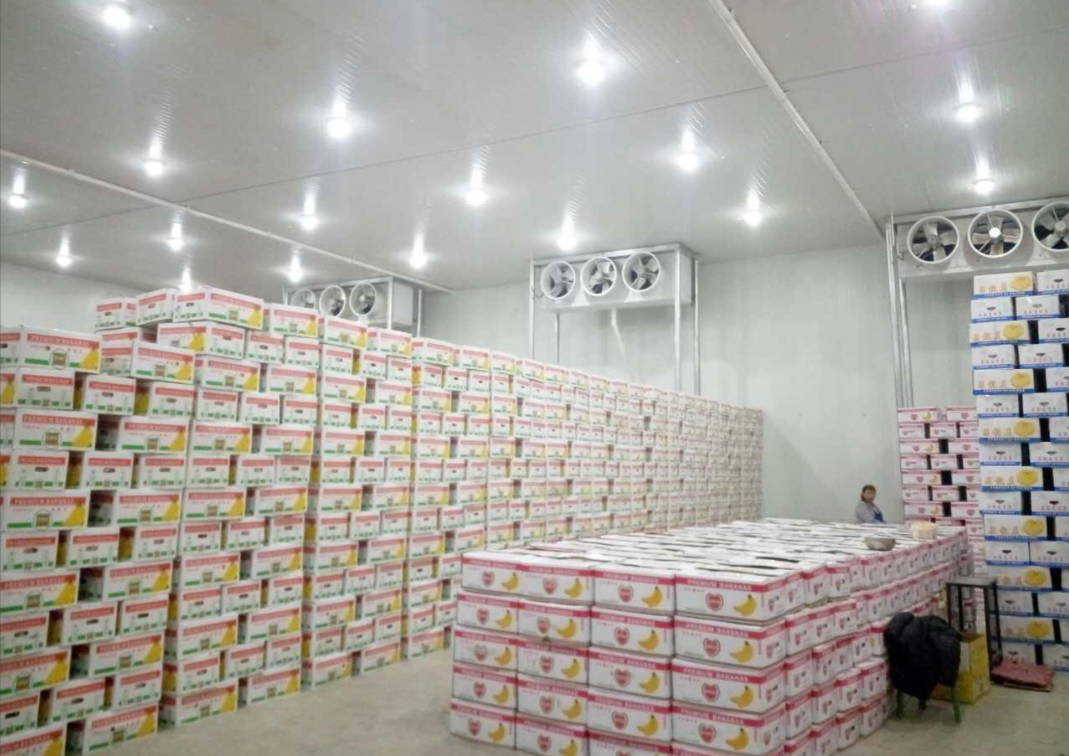
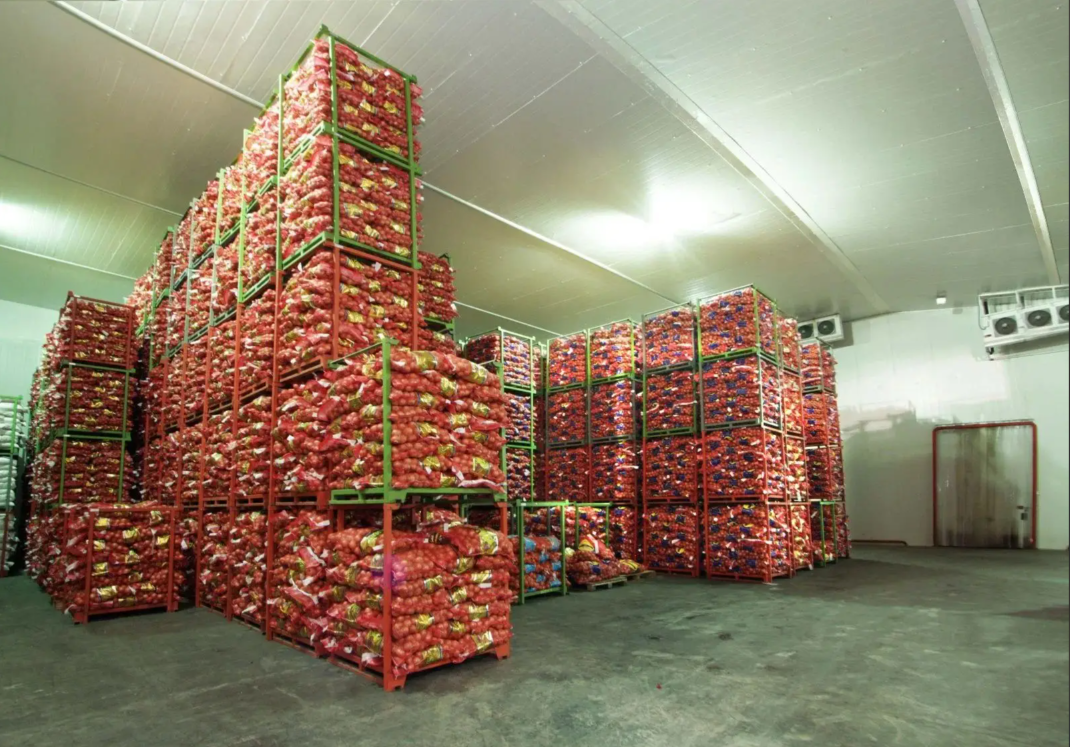
In cold rooms and greenhouses, our dehumidifiers maintain consistent humidity. This keeps frost off cooling coils and prevents mold on crops. In food and beverage plants, excessive moisture can ruin products or alter flavor, so consistent low humidity is essential.
We observe the same issue in drug labs. Moisture in the air can destroy delicate compounds and reduce safety. Our machines are capable of holding every humidity level, including dew points as low as -60°C, so we meet the most stringent requirements.
Delicate tasks such as coating or packaging rely on steady air. If humidity spikes, paint could blister or stickers could come unglued. We assist in maintaining things calm and balanced.
For industries such as aerospace, dry storage is crucial for components that must not rust or corrode. A lot of our infrastructure is already utilizing IoT and automation.
This allows our customers to monitor, control, and adjust humidity remotely. This not only conserves time but reduces waste and energy consumption.


Choosing Your Industrial Dehumidifier
Industrial dehumidifiers are crucial for maintaining the correct moisture level in large areas. Selecting the appropriate type involves considering the work environment, the nature of the air, and the issues you aim to address. Some locations require precise humidity management. Others simply need to prevent mold and rust.
- Determine the application. For example, what is your room size, the typical air temperature, and how damp it gets. Warehouses, greenhouses, and cold rooms all demand unique requirements. We consider how many liters of water need to be extracted from the air on a daily basis.
- Understand the varieties. There are two main choices: refrigerant models and desiccant models. Refrigerant models utilize a cooling coil to extract water from warm moist air. They work best if the dew point is above 10°C and the room is warmer than 16°C. They only heat the space by about 3°C.
Desiccant models, on the other hand, use a drying wheel and excel in colder or drier areas. However, they can increase the room’s temperature by 6 to 8°C or higher. They are best suited where maintaining an ultra-low dew point is important.
- Select the appropriate size. Dehumidifiers are sized by how much water they can remove per day. Too small and the air never gets dry. Too big and you’re throwing away energy and money. Shoot for a model that matches your location’s scale and daily demands.
- Consider the setup. Portable ones travel room to room. Fixed ones remain in place. Portable models are ideal for versatile work locations, while stationary units work great for consistent, dedicated spaces.
- Seek out features that keep the job running smoothly. Continuous drainage prevents tanks from filling up, and easy cleaning results in reduced downtime. We find the most energy-saving features to keep power use low and reduce our impact on the world.
The Hidden Costs of Humidity
When we say hidden costs, we’re referring to all the ways excessive humidity can suck resources and damage business. Here is a checklist to see the real price of not managing moisture right: higher upkeep bills for machines, loss of stock from spoilage, more downtime, and even poor air quality for workers.
If humidity is over 60%, it facilitates the growth of mold and bacteria, which drives up cleaning costs and health risks. When machines rust or fail, we spend more on repairs and even replacements, a cost many miss. All this accumulates, and it can be difficult to identify the culprit if we don’t monitor humidity from the beginning.
Product loss and waste are very real concerns. If goods are stored or produced in humid air, they will warp, stick, or degrade sooner. If it’s food or pharma, humidity can render goods unsafe or unsaleable.
Even in electronics or furniture, excess moisture can warp surfaces or corrode tiny components, instantly rendering premium stock junk. These losses hit the bottom line and frequently translate into discarding raw and finished stock.
There are significant savings at stake when you invest in a right-sized dehumidification system. If we run a properly sized dehumidifier for the room and typical moisture level, we keep air dry and healthy.
In our experience, this slashes energy consumption because we can keep designs and thermostats set higher and still be comfortable. The proper system sized according to how many gallons of water it can extract per day maintains humidity levels within 30% to 60%.
That saves us from costly repair bills and keeps work humming. Selecting an appropriate dehumidifier might feel complicated, but the return on investment is obvious with time.
Preemptive humidity control is about more than comfort. It keeps us going and keeps them safe. By acting early, we prevent wasted time, wasted products, and costly repairs.
Even a little now can save a lot later.
Conclusion
We understand how important proper humidity control is. Our crew watches how industrial dehumidifiers let work fly in battery factories, storage spaces, or greenhouses. These machines eliminate mold, rust, and loss. They maintain air quality for people and products. We already observed how a smartly chosen dehumidifier cuts repair and power bills. We enjoy assisting you with figuring out what’s best for your site—no hassle, just straightforward information and dependable assistance. Contact us with your needs or questions. That’s why we’re here to report what actually works in real-world jobs and help you find the perfect pick for your space! Let’s improve your air together.
-FAQs
What is an industrial dehumidifier?
An industrial dehumidifier is a heavy-duty unit that extracts humidity in expansive areas. We utilize them for humidity control in manufacturing facilities, distribution centers, and other industrial environments.
Why is moisture control important in industrial environments?
Moisture can shorten equipment life, destroy products, and make the workspace hazardous. We avoid these problems by maintaining humidity at safe levels with industrial dehumidifiers.
How do industrial dehumidifiers benefit battery production?
In battery manufacturing, minute quantities of moisture can lead to defects. Our dehumidifiers create ultra-dry conditions, so you can be sure that your products are of the highest quality and safe throughout the production process.
What industries use industrial dehumidifiers besides battery manufacturing?
Our dehumidifiers are used in lots of different industries, including food processing, pharmaceuticals, electronics, and data centers. All need exact moisture control for product quality and safety.
How do we choose the right industrial dehumidifier?
We factor in space size, humidity levels, temperature, and industry requirements. We assist in choosing the right model for effective and dependable moisture management.
What are the hidden costs of uncontrolled humidity?
Even worse, excess humidity can cause early equipment failure, increased energy usage, and product loss. We help companies prevent these costly issues with industrial dehumidifier solutions.
Are industrial dehumidifiers energy efficient?
Absolutely, today’s industrial dehumidifiers are energy-efficient! We have energy reduced models that maintain strict moisture control and save money in the process.
评论
发表评论